There are many noteworthy tips and tricks regarding tourism in Singapore. These 40 FAQs/Know-Hows will help you plan for your travels to this enchanting city.
Table of Contents:
General Overview: Tourism in Singapore
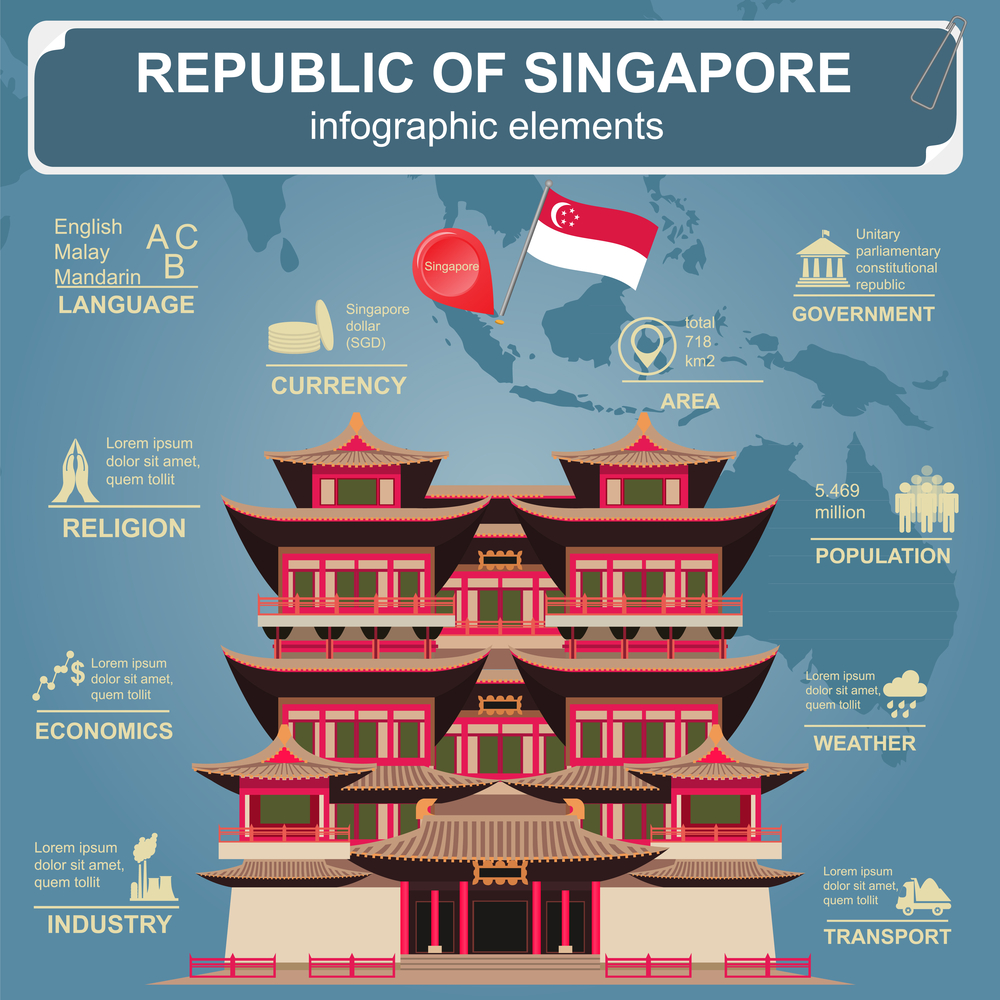
The Official Languages of Singapore
Singapore has four official languages: English, Tamil, Mandarin, and Malay. Lucky for you, this makes tourism in Singapore easier.
The Singaporean dialect of English is Singlish. Do familiarize yourself with common Singlish terms here.
You can get around great with English, though some hawkers/food courts do not speak it fluently if at all; chances are they will only ask you if the order is for here or to go and which size/amount you would like. Most stalls serve only one or two dishes, or you can point to the dish you want on the menu.
Prices are always listed. Some stalls are “self-serve” meaning they will put the dish out for you, and you are responsible for your own condiments, tray, and silverware usually provided by the stall. There is no time for small talk at the hawkers, you say what you want, pay, grab your food, and leave. Be prepared to order when you get to the front of the line, but if you speak the language of the stall owner, feel free to ask questions or for recommendations.
Singaporean Currency
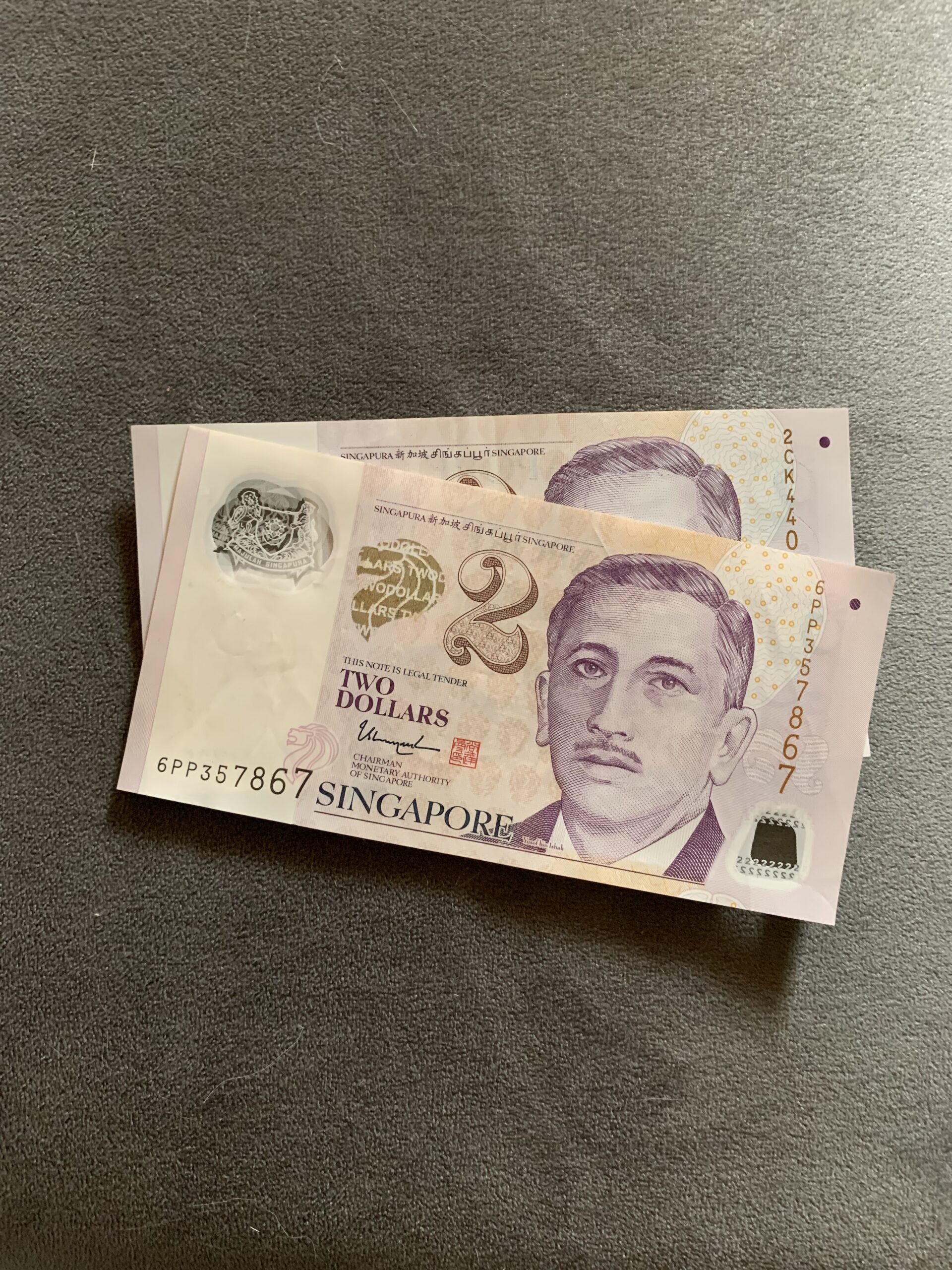
The Singaporean Dollar is the currency of Singapore. For bank notes, these come in S$2, S$5, S$10, S$50, S$100, S$1,000, and S$10,000.
As for coins, you will find the 5-cent, 10-cent, 20-cent, 50-cent, and one dollar coin(s).
For a conversion calculator, check out Wise.
While cash is common at street vendors and hawker centres/kopitiams, cards are widely accepted at a majority of establishments for easy tourism in Singapore.
Public Holidays
There are 10 official public holidays per year in Singapore. They are outlined every year on the Singapore Ministry of Labour website.
They are as follows:
- New Year's Day on January 1st
- Chinese New Year around January/Febraury
- Hari Raya Puasa/Eid Al-Fitr is the end of Ramadan and varies every year
- Good Friday around March/April
- Labour Day on May 1st
- Hari Raya Haji/Eid Al-Adha varies annually
- Vesak Day usually in May
- National Day on August 9th
- Deepavali/Diwali around October or November anunally
- Christmas Day on December 25th
Please note that this will affect business hours. Additionally, Grand Prix Singapore is not a holiday but an extremely busy time of year for Singapore's City Centre. It usually falls in September or October. Keep that in mind when considering tourism in Singapore.

Transportation Overview
Do not consider Tourism in Singapore unless you have a way around. The most popular way to get around Singapore is using the Singapore MRT, or Mass Rapid Transit. There are also buses and small trains that comprise this intricate network of subways and above-ground trains. You can pay for rides using your mobile pay, contactless card, or Singapore Tourist Pass or MRT Card. There is also an MRT app where you can link your payment.
For all things Singapore MRT such as routes, payments and passes, tips and tricks, check out my guide here. From my experience, the MRT Card recharger stations do not accept foreign bank cards (at the very least, American credit or debit cards) so you will have to use cash from the ATM and use a cash-accepted recharger or go to a teller.
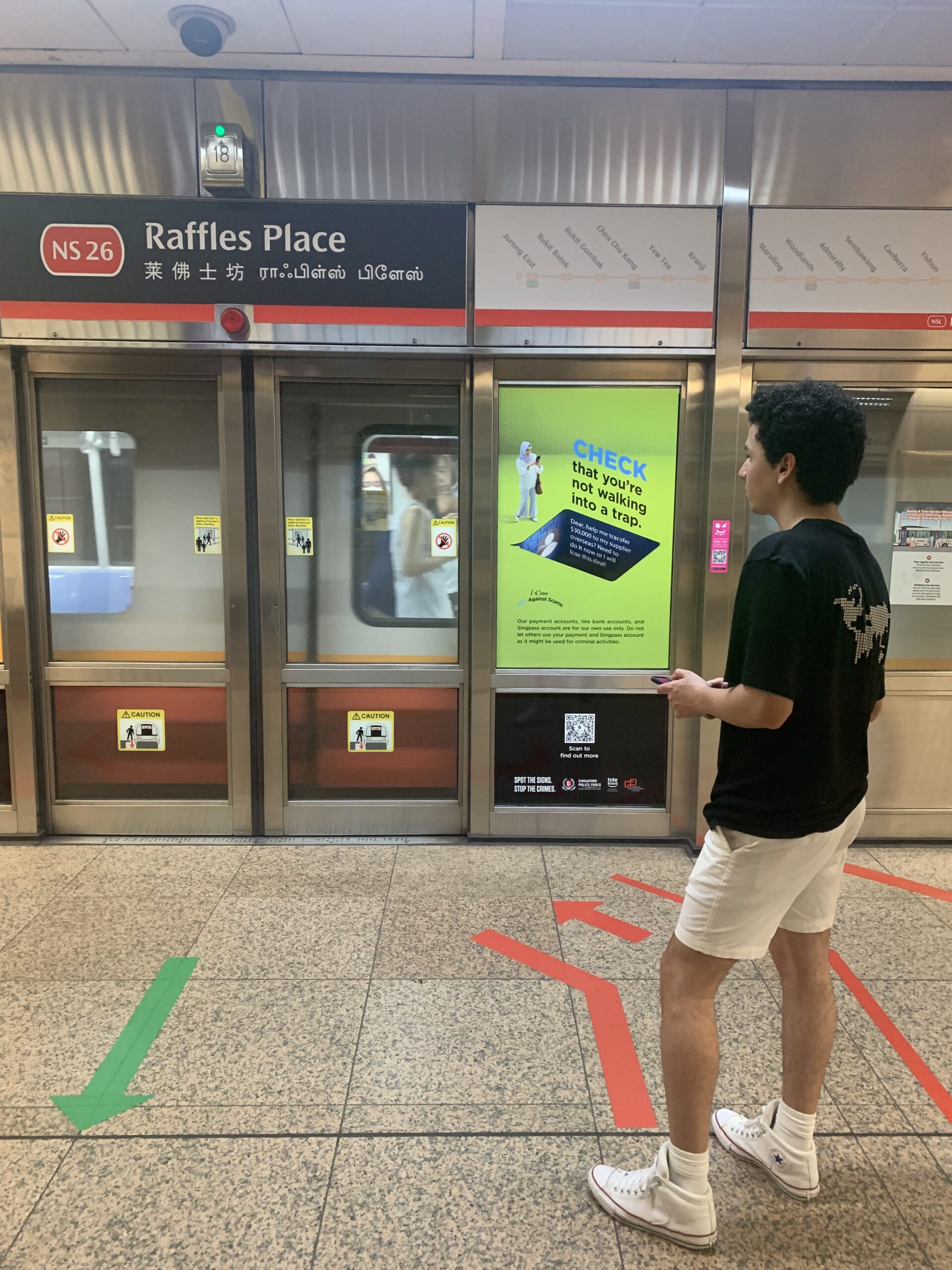
While on the MRT, you are expected to give up your seat to the elderly, the pregnant, and families. Though you may bring food/drinks on the buses, taxis, and MRTs, you are not allowed to consume it, even at the station. Yes, even water. This is also typically true for elevator use.
Most MRT stations are underground and air-conditioned, some are above ground and out in the open, but trains are climate controlled and always have wifi/cell service. Some trains are standing trains only. Buses are also air-conditioned.
Here is what you need to know about driving in Singapore: Driving is done on the left side of the road, meaning that the driver's seat is on the right. To rent a car in Singapore, you must be at least 23 years old with a valid driver's license that is at least a year old. Please provide additional documents if your driver's license is in a language other than English.
Other private forms of transport include private shuttle, van, bus, limo, or taxi services. Grab is the Uber of Asia. At the Singapore Southern Ridges and on Sentosa Island you will find cable cars, the Sentosa Express, and the Sentosa Beach Shuttles; these are not affiliated with the Singapore MRT.
Emergency Numbers & Hospitals
For an Ambulance or Fire, dial 995.
For Police Emergencies, dial 999, or text 70999.
Singapore Police Hot Line is 1800 255 0000.
Non-emergency ambulance service is 1777.
Major Hospitals:
- Singapore General Hospital on Outram Road (near Outram MRT Station outside of Chinatown)
- Mount Elizabeth Hospital in Orchard at 3 Mount Elizabeth in Newton near Orchard Road
- Gleneagles Hospital on Napier Road in Tanglin, at southern end of SG Botanic Gardens
- The National University Hospital on South Buona Vista Road, on NUS Campus near Queenstown
- Tan Tock Seng Hospital near Novena MRT Station, north of Newton and Little India
Must-Knows
Singapore Arrival Card and Visas
Be sure you complete your ICA Singapore Arrival Card (SGAC) via the ICA App or website up to 72 hours before your arrival, regardless if you enter via plane, train, bus, taxi, ship, or otherwise. Yes, fill one out if you are here for a cruise.
The SGAC is not a visa, just a basic document that includes your information and length/location of your stay. Also please inform yourself about entry requirements if you are staying in Singapore, but visiting Johor Bahru or Indonesia for the day. As basic as it is, this tourism in Singapore tip is crucial.
Most people do not need a visa to enter, but please be sure to check your country here.
Singapore Drug/Medicine Policy
Singapore is extremely strict on drug imports; if you have prescriptions, please bring them in their original container with your name on them, ideally.
No cannabis products of any kind can be brought into Singapore.
Smoking & Vaping
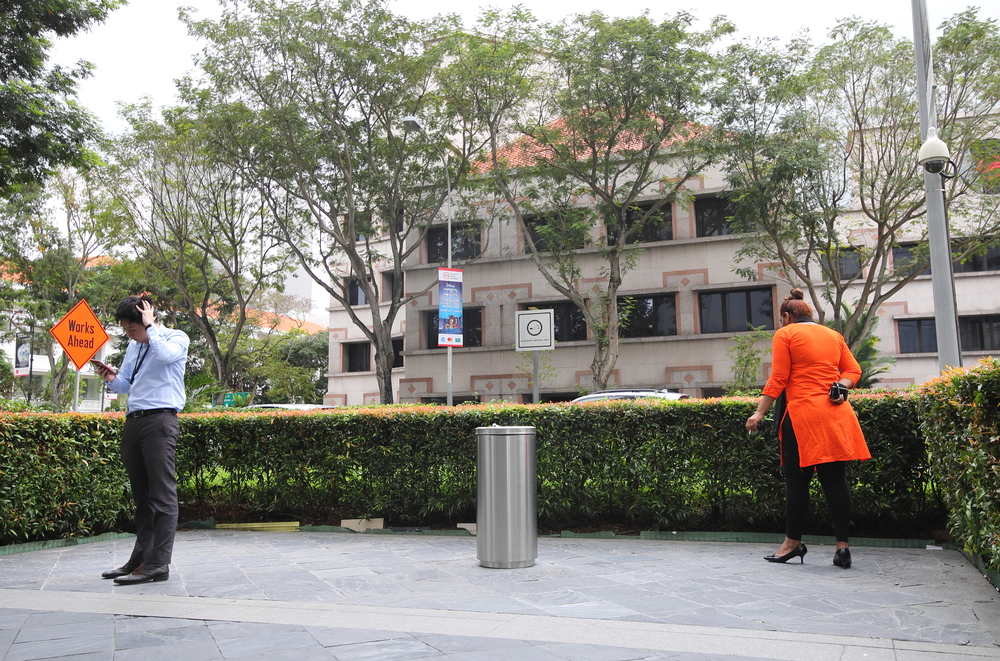
Smoking cigarettes and cigars in Singapore is permitted, however, only in designated public smoking areas. Otherwise, this can land you a fee. Chewing tobacco is also not permitted.
Vaping is completely illegal.

Chewing Gum
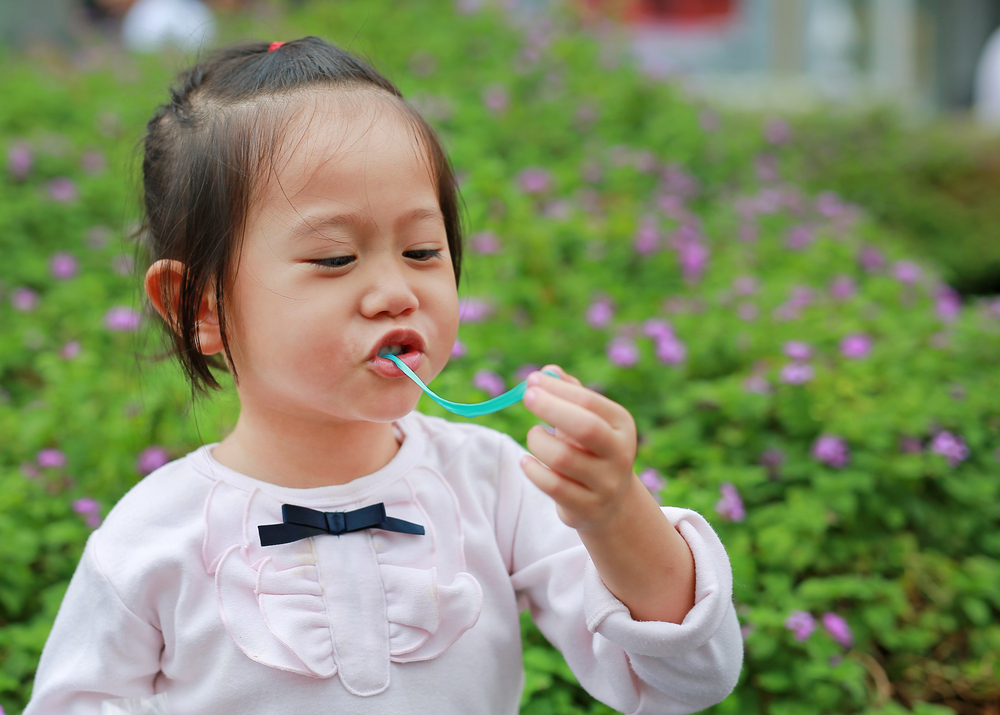
Let's get this part out of the way. Chewing gum is not illegal in Singapore per say, it is just not sold there (other than for medical purposes). You technically can import it for personal use only, but it may still get confiscated. Nicotine gum cannot be brought with you. Chewing tobacco is outlawed, however.
Video Surveillance
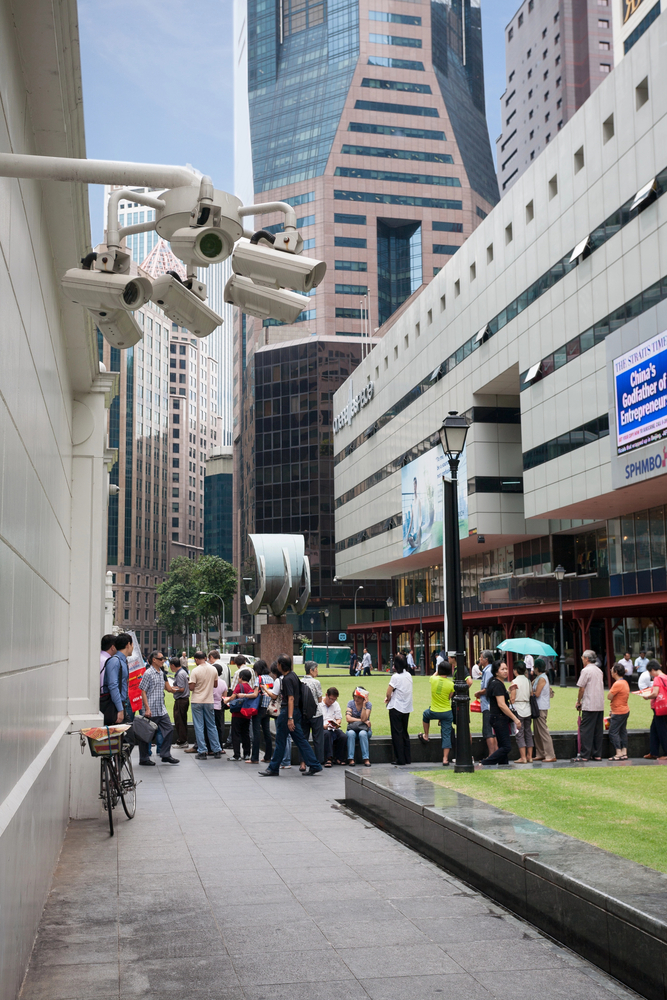
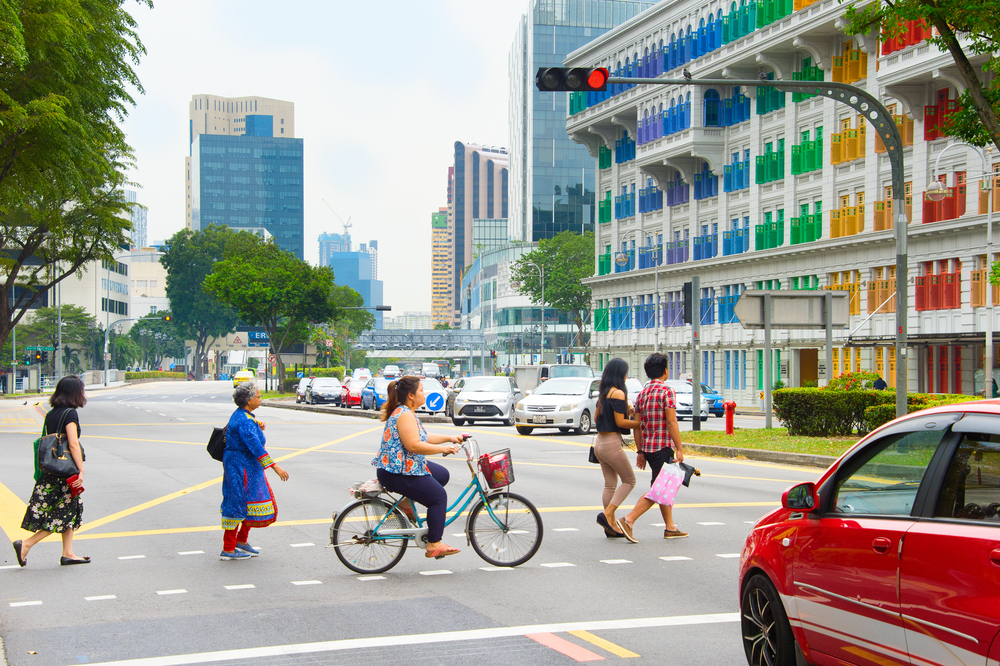
Singapore is very heavily video surveilled, so getting away with a petty crime is nearly impossible. This can also include jaywalking. In certain parts of Singapore such as Little India, crosswalks are not as common and you will see locals cross the street wherever.

Standing & Queuing
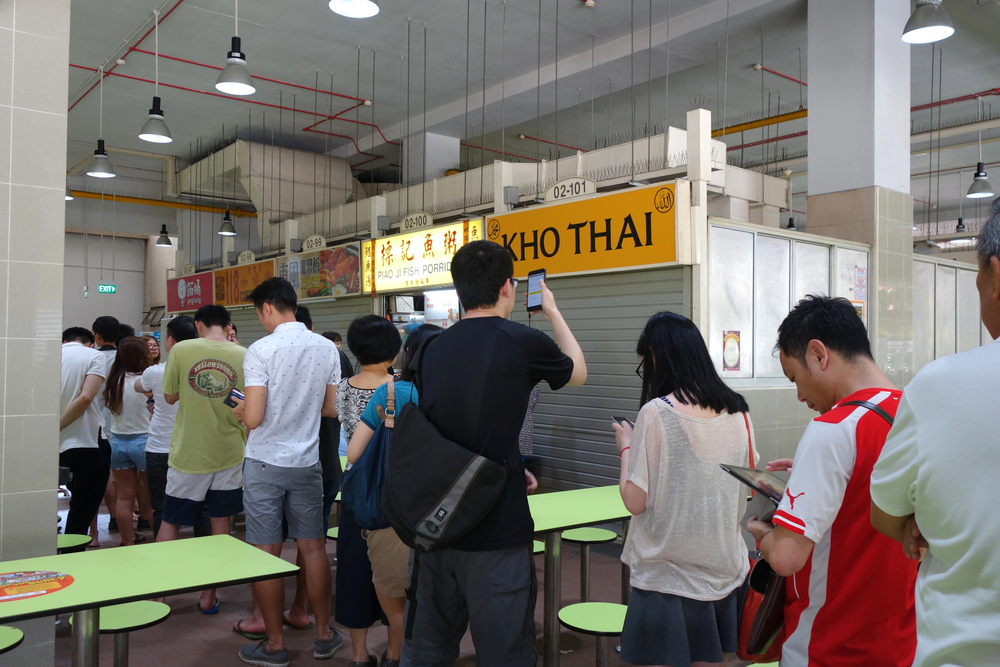
In Singapore, queuing is a national sport. You will see people queue diligently at all public locations from hawker centres to the pharmacy. Please do the same.
Just like how driving is on the left, you also stand on the left on escalators, and walk on the right. Same goes for sidewalks, about half of the time.

Chope-ing
If Queing is the national sport of Singapore, then Chope-ing is the favorite past-time.
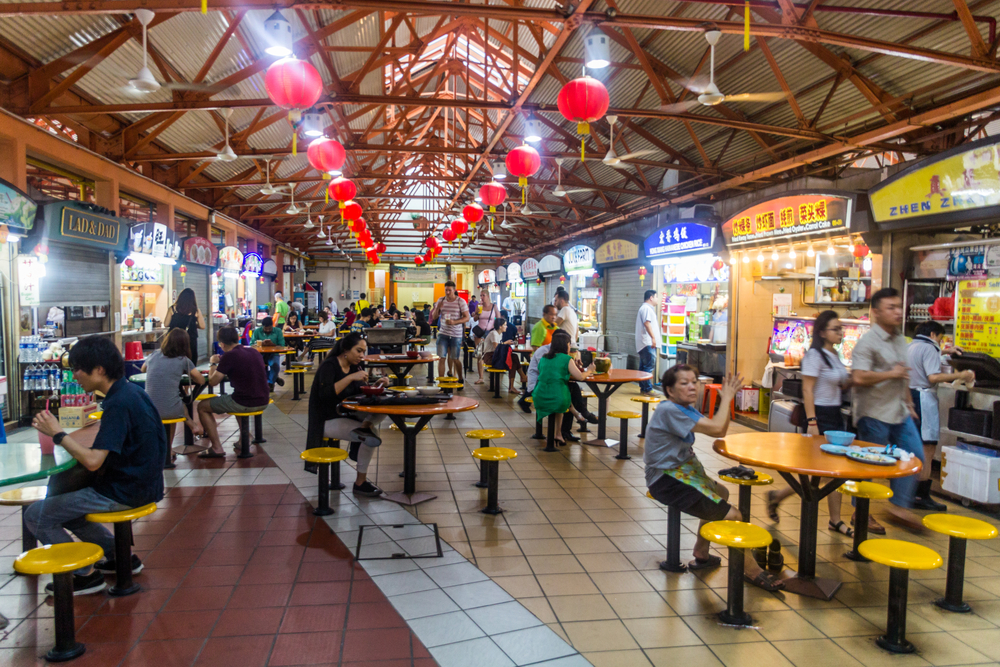
Chope-ing is when you take an personal item to reserve a table at a food hall or hawker centre. Many people will place an item down on a table while they go order; you can expect water bottles, lanyards, purses, keys, wallets, clothing and accessories, and the famous pack of napkins.
Yes, if you see one or two packs of napkins sitting alone on a table, this table has been choped and is not available! Please keep these Singapore tips for tourist in mind when dining at hawker centres!
Hawker Centre & Restaurant Norms
As discussed previously, chopeing and queing at hawker centers is normal, here are some other things to note about eating out in Singapore.
There are designated areas in each Hawker Centre to return your tray after your meal. Sometimes you are even expected to throw your trash out before returning your dishes.
Please note that many places offer a separate return areas for halal and non-halal trays/dishes. If you know for a fact that the food stall you ordered from is 100% vegan/vegetarian, this is halal. Many stalls may also indicate if they use pork or lard. If you are not sure, some places have different colored items; but please ask if you are uncertain.
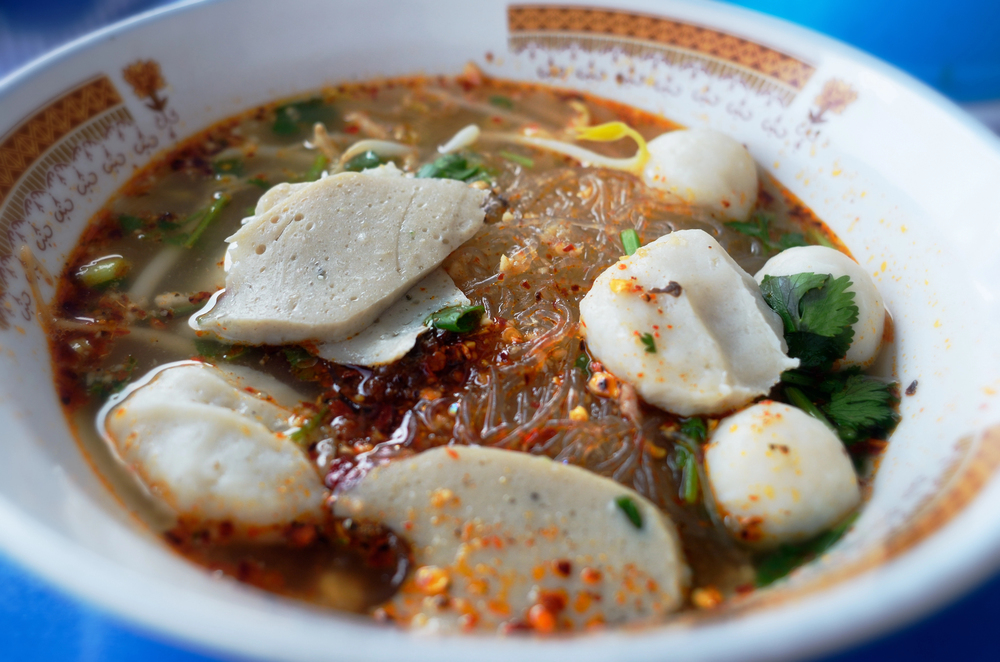
Some hawker stalls only serve certain dishes on certain days. Drinks are available for purchase only at drink/coffee stalls. If you go to a popular hawker centre let alone a popular stall within that hawker centre, chances are that they may be sold out if you come late. A long queue usually indicates that it is good.
When ordering, please be prepared to place your order when it is your turn in the queue; there’s no time for small talk at hawker stalls. “Self-Service” is very common and means that you will grab your own tray, silverware, and sauces/toppings; the stall will only bring out your plate of food at the front of the stall. Things like this keep Hawkers so affordable. Don’t forget your napkins.
Most hawkers and food courts are cash only or via an online Singaporean pay portal (via QR code). Be prepared to pay with small bills and coins. P.S. unless you order a hot soup or something fresh out of the fryer, many hawker food dishes are not piping hot, but rather lukewarm. Many stalls do cook to order, so this is more of a concern for roasted meat dishes and chicken rice. Nevertheless, the food is still tasty, and nothing truly gets cold in hot and humid Singapore. Just be sure to bring your own napkins.
As for restaurants, a majority of casually dining restaurants require you to place your order(s) through their ordering portal which is accessed via QR code when seated. Your items will then be brought out to you. At the end, you get up when you are ready and pay up front. Unlike in North America, this style of ordering will not allow you to customize left and right unless you are at a boba/milk tea shop.
Grab (Ordering Food/Ride Share)
There is no Uber/Lift in Singapore. The only option is Grab, where you can also order food from.
View this post on Instagram

Payment Methods
Foreign credit and bank card use is very widely accepted. The exception being street vendors, markets, local kopitiams, and hawker centres, so please bring cash.
Many places who do accept card may only accept NETS which is a local payment option.
You may have trouble using your foreign cards at MRT card machines to top up your balance, so you may need to go to a teller with cash.
View this post on Instagram
Duty Free and GST Tax Reflief
Learn more about GST, tax-relief, and duty free items in Singapore here.

MRT Etiquette
Here a few things to know about using the MRT/bus system.
- Buses - unless the bus you want happens to be stopping at your stop since they are letting off a passenger, you will have to “wave the bus down” by sticking your arm out briefly. You will see locals do this as well, sometimes swinging their grocery bags into the road briefly to indicate they need the bus to stop here. Standing up alone may not do the trick. Buses will also not allow passengers to board/disembark if they are halted at a non-bus stop such as being stuck in traffic or waiting at a red light.
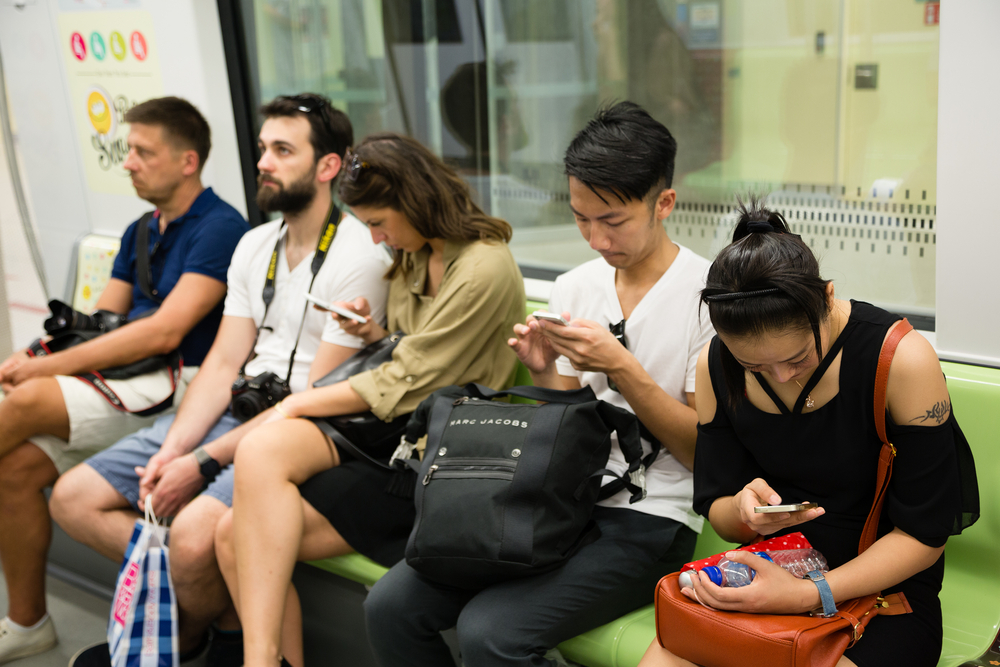
- Seating - Offering your seat to the elderly, families, the disabled, and pregnant women is expected – as a young, healthy person and clearly a foreigner in Singapore, I felt as though standing during the ride or taking an open seat towards to back/second tier of the bus was the best way to show respect and curtesy to locals who use the bus as their main form of transport to run errands and commute to/from work/school. Please also give way to wheelchair users and families who use the elevator at Singapore MRT stations. These tips are especially relevant during peak hours.
- Make Space - Move inward/away from doors as the train/bus gets crowded
- Entering and Exiting the Trains - Standing appropriately when entering/exiting the MRT; there are markets on the ground that tell you where to stand as to not get in people’s way as they exit
- No eating or drinking at the Singapore MRT stations or inside trains/buses (not sure what the verdict is at bus stops or MRT stations that are in an open air setting, better safe than sorry); you can bring food and drink onto public transport, just not consume it unless that food would be…
- Durians - it’s a no! I believe anything that contains durian such as baked goods or ice cream are permitted as long as it does not omit odor.
- No smoking at stations/stops and inside trains and buses; it is actually illegal to publicly smoke in Singapore unless you are at a designated smoke pit. Vaping is obviously a big no; keep in mind there are cameras everywhere.
- Remaining quiet - Try not to talk loudly on the phone or play music/games out loud
- Be mindful of the space your do take up, don’t put your bag on the seat beside you and do not throw your feet up onto a nearby seat, this includes manspreading; do not push or shove others; if you have a bag or small suitcase, stand in a corner or place it at your feet while seated
- Other things to consider - I have seen other sources saying that the following behaviors are out of the norm and considered unwritten rules of public transport in Singapore – nail clipping or polishing, which is generally strange to do in public…as well as being glued to your phone to the point where you bump into others or miss your stop. Wearing no deodorant or too much fragrance is also strange. If you look visibly sick, you should put on a mask. Bringing large/bulky items with the exception of luggage is also less than ideal for the people around you, especially during peak hours.
For all things Singapore MRT, to include how to use it, please check my blog post on that here.
Good to Know
Import Market
Most things in Singapore are imported; this means that many goods at supermarkets are not cheap. I recommend you pack your toiletry needs with you from your home country.
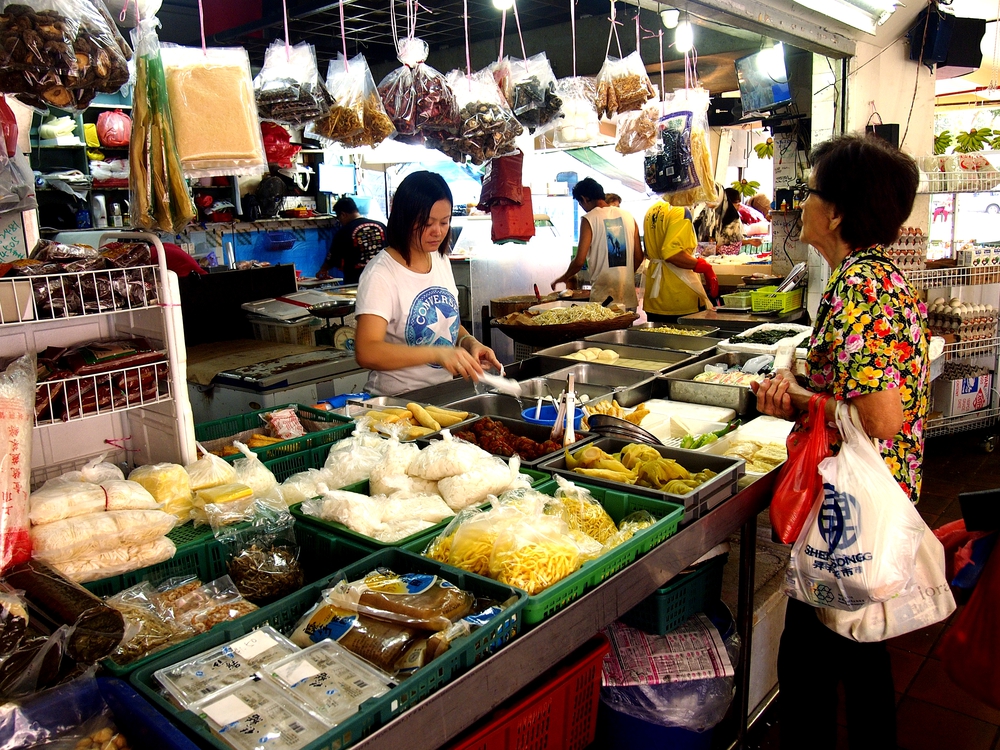
For fresh produce, the best deals are at wet markets.
Water Fountains
Most water fountains in Singapore are not chilled; however, some family bathrooms have hot and cold potable water dispensers at many malls and popular Singapore attractions such as Gardens by the Bay, the Singapore Zoo, and so on.
Be sure to bring your own reusable water bottle(s)!
Littering & Trash
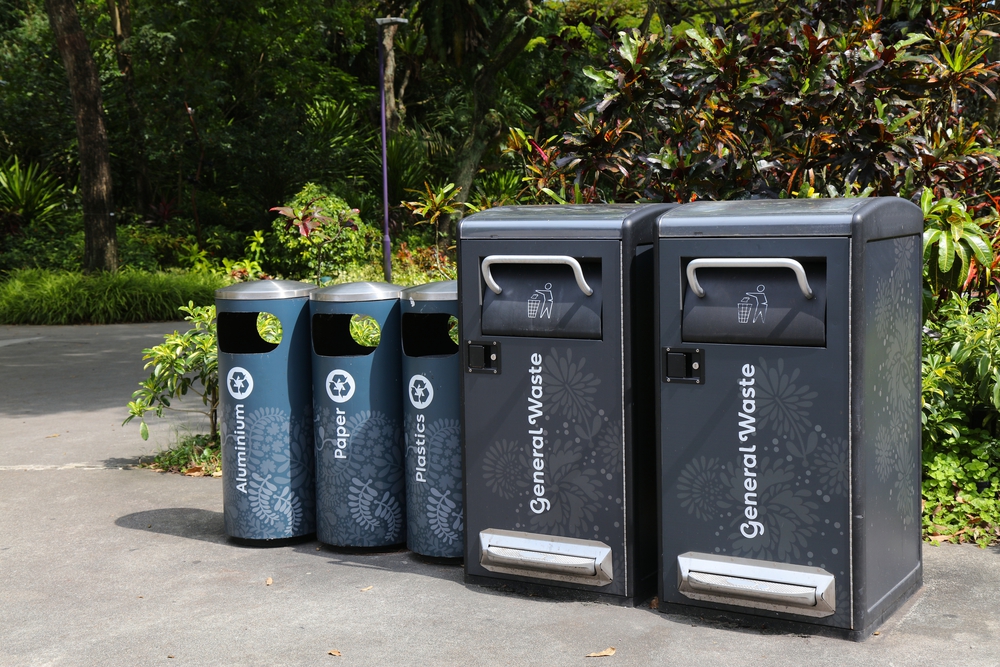
Littering can be finable in Singapore; starting at S$300 but can get as high as S$10,000. This also includes spitting on the street. Not sure why you would even need to litter as there are many waste receptacles all across the city, even along popular hiking trails in the jungle.
Speaking of trash in the jungle, please still dispose of biodegradable waste in trash bins during your hike. The issue in Singapore is that many wild monkeys associate humans with food. They can actually get quite aggressive if they find that you have food on you.
Tipping
Tipping is not a common practice in Singapore. Instead, many sit-down restaurants will charge a GST, a Guest Service Charge of 8%, 9%, or 10%. Every place is different; at some places, the GST may already be included in the prices shown on the menu, or it will be applied to the total at the end.
Another important tidbit regarding Tourism in Singapore is that haggling/bargaining is rather frowned upon, especially for tourists.
The Severe Lack of Napkins
Napkins are not freely provided at most Hawker Centres, food courts, and even some restaurants. Though you may find them for sale at certain stands or by aunties and uncles, but always be prepared to bring your own.
View this post on Instagram
Public Bathrooms
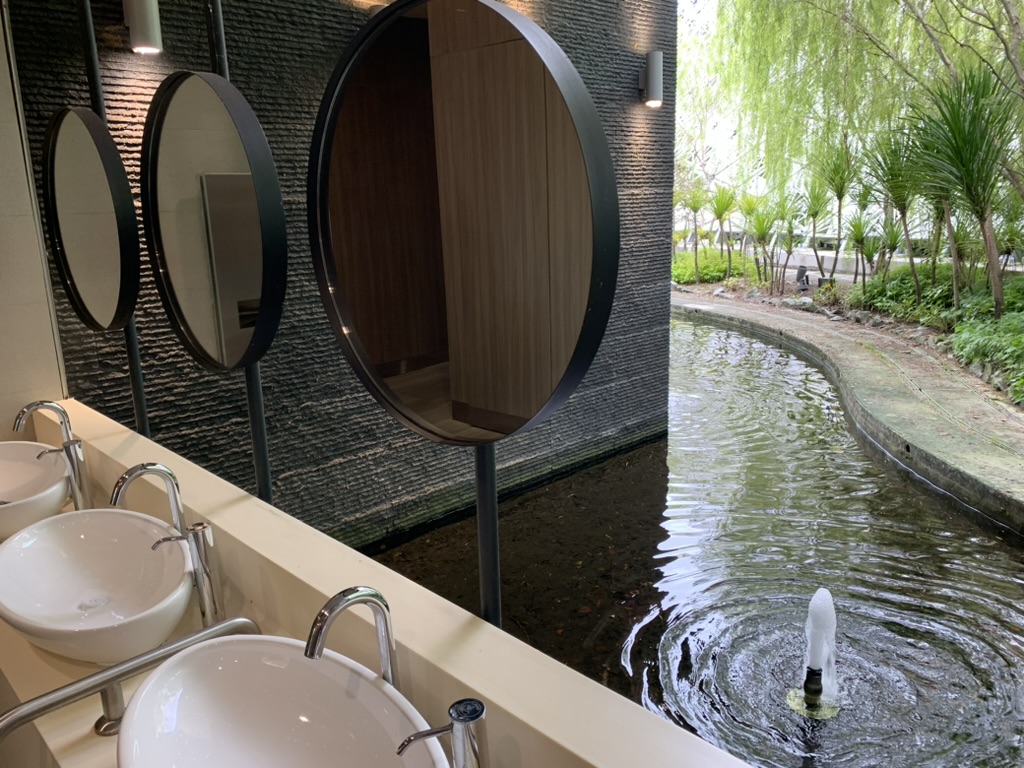
Public bathrooms sometimes contain toilet paper only in the entryway; if you see this, grab some to take with you in the stalls as it is not provided inside each individual stall. Although “Western-style” toilets are common, be prepared to see “Eastern-style” squatting toilets and bidets. ALWAYS cary extra tissues with you just incase.
Many Public bathrooms are covered but “outdoors” and/or not air conditioned.
Visiting a Mosque/Temple/Shrine/Cathedral
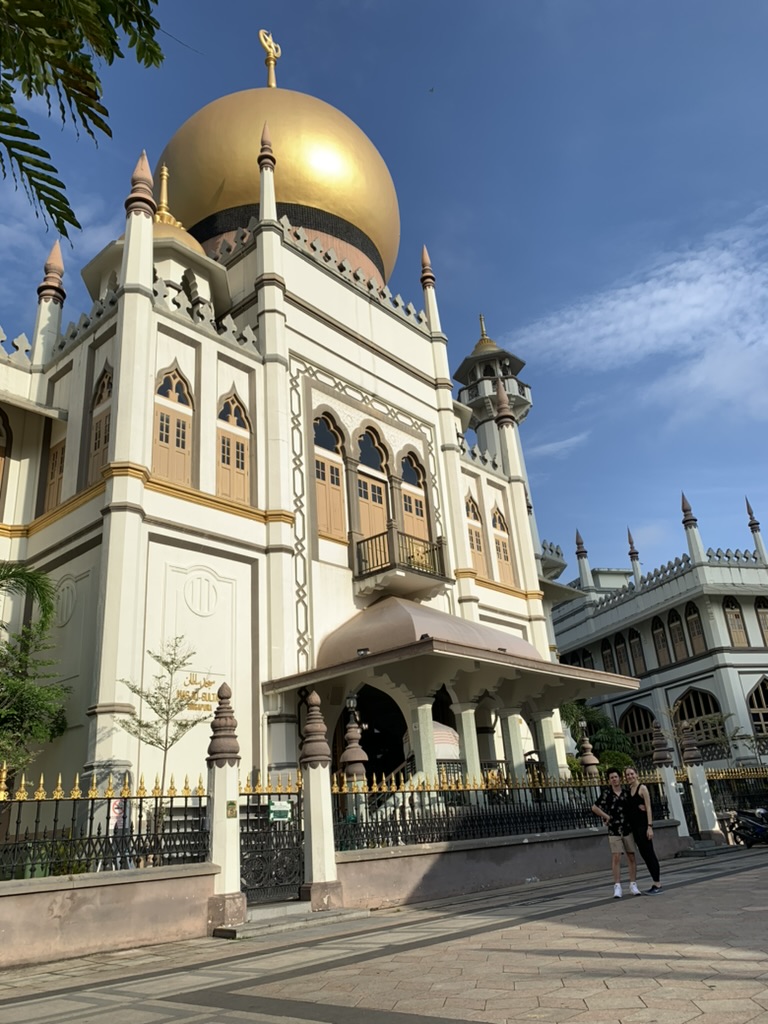
Please adhere to temple/mosque dress code or you will likely not be admitted. This usually means no shorts and covered arms/shoulders, but always check the site’s website. You can also expect not to bring non-vegetarian food inside and you may be expected to take off your shoes.
Please be aware of photography etiquette and of others praying/performing rituals.
PDA and Nudity
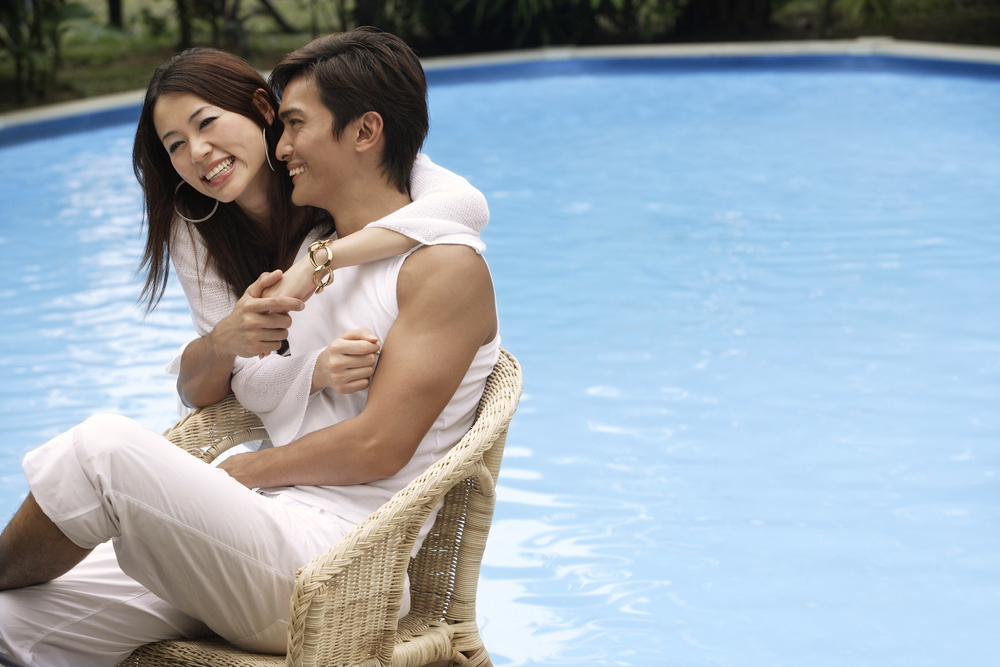
PDA (Public Display of Affection) is rather frowned upon in Singapore. Holding hands is okay, but kissing and hugging in public is not common. Many people in Singapore adhere to a more conservative religious lifestyle and prefer to keep to themselves.
Additionally, nudity in public is a no, but this also applies in one other way. If nude in your hotel room, you must draw the curtains.
Photography
Of course take many pictures on your Singapore vacation, just be mindful of this…There are many buildings around Singapore that cannot be photographed, and there will be signs that make it quite obvious. These usually include military bases and government buildings as well as any other restricted area.
Please also be mindful of taking pictures inside religious shrines, temples, churches, and mosques.
Accessing an Unsecured Network
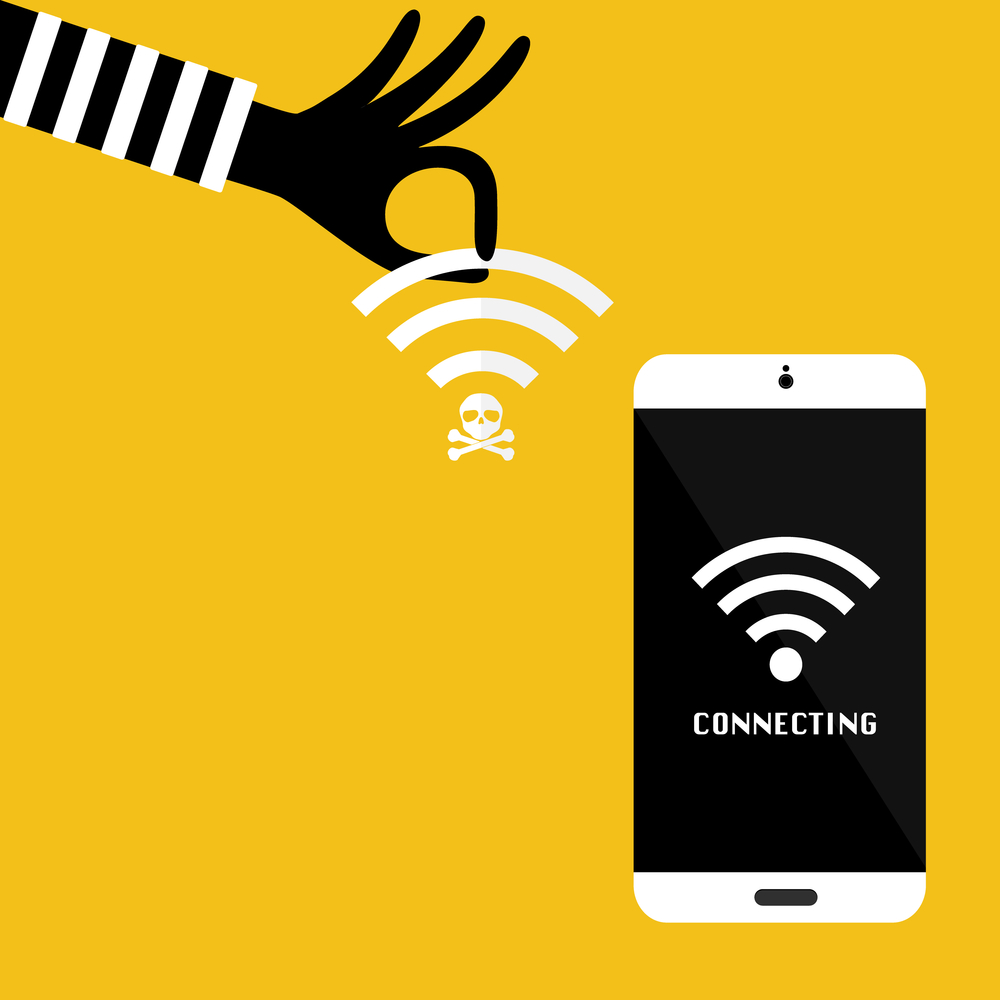
Did you know that connecting to an unsecured network in Singapore is illegal because it is considered hacking! You read that right. Although there is a plethora of free public wifi access across the city, you may want to think twice about connecting to a suspicious source. P.S. bootleg/illegal DVDs or CDs are also strictly prohibited.
What to Expect
Napping in Public
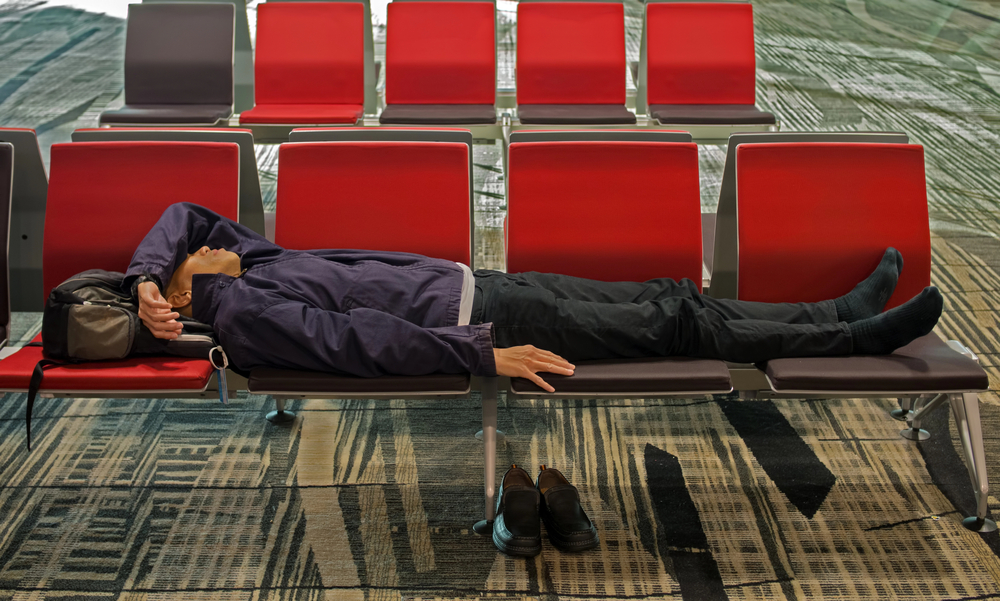
Mid-day napping is very common here, especially in gardens. You may see workers take their power naps on or beneath benches, beside or on trails, or in the foliage. If you need a rest, don't worry, you too can partake in this norm.

Aunties and Uncles
The term “uncle ” and “auntie” are endearing terms of respect used for older people in Singapore. You will hear others use this term with strangers, so do not be surprised that they are probably not related. You may use these as well.
Wearing Masks
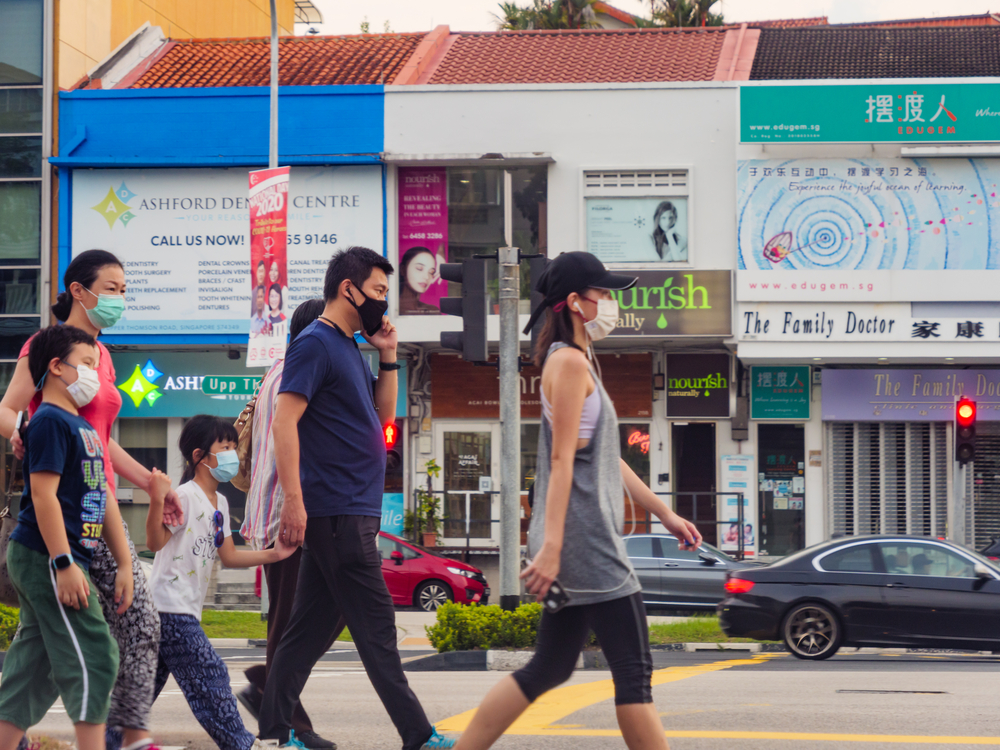
It is common throughout many parts of Asia to wear face masks in a variety of settings. You may notice this at hawker centres as well, as well as in other day to day occasions. You do not have to partake, but you may see others do so.
Gambling
Gambling in Singapore is permitted, but honestly, discouraged (more so for locals). The two major casinos in Singapore are Resorts World Sentosa and at the Shoppes at the Marina Bay Sands.
Gambling in Singapore is unlike Monaco and Vegas; you go in, do what you need to do, and leave. There is not as much fanfare and a party vibe as elsewhere. As a tourist, you will need your passport, Visa, and SG Arrival Card to enter.
View this post on Instagram
Drivers in Singapore
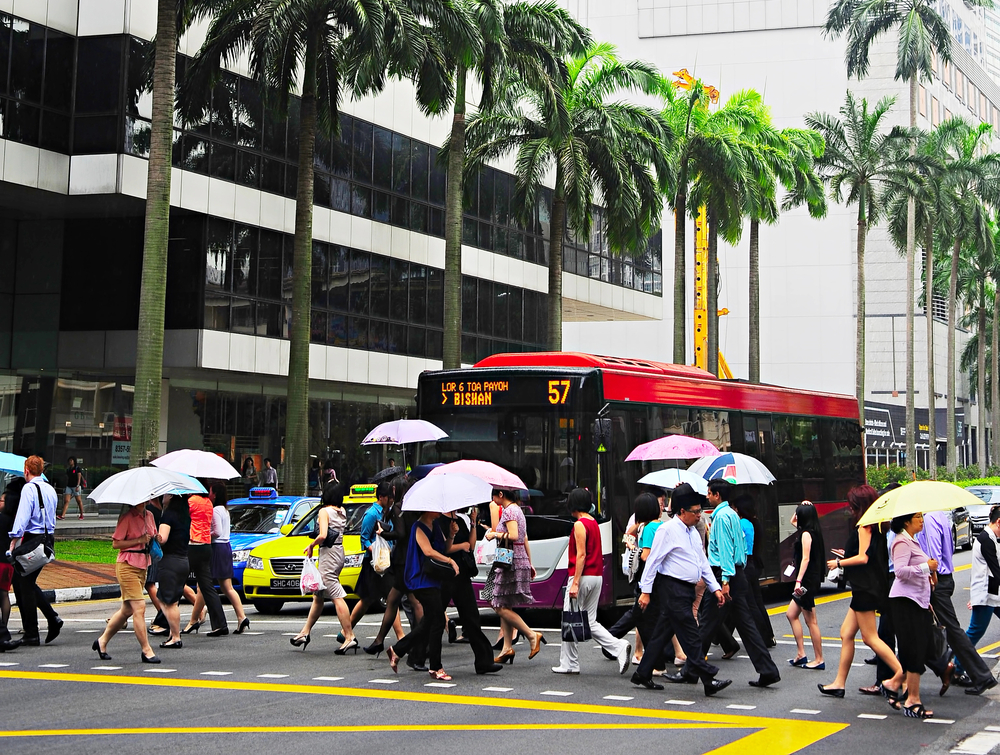
Drivers in Singapore do not put pedestrians first, be very careful when crossing the street or walking across driveways and entryways/exits of car parks.
Cycling in Singapore
If you are planning to ride bikes during your visit, consider this. Careless bike riding is an offense, so be sure to push your bike in pedestrian areas/anywhere you see signage.
You must also wear a helmet while riding and conform to red light signals; riding on the high speed roads is also not permitted, not sure why you would want to anyways. Also, don’t use your phone while you cycle, this can be punishable.
Noise Levels in Public
Noise discipline is essential in a public setting across Singapore, especially on public transportation. You are expected to talk on the phone quietly, play music and videos through headphones, and speak quietly amongst each other.
Weather in Singapore
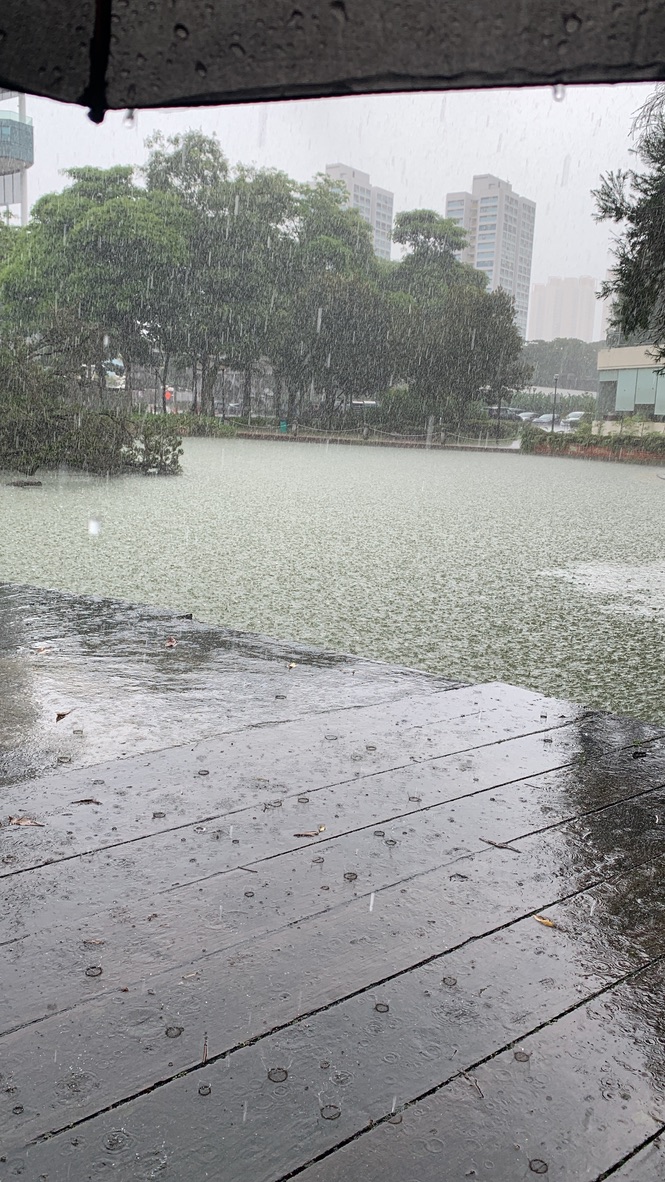
The temperatures in Singapore are about even year round, with the hottest months being May and June. A tropical climate makes for no seasons, but rather a humid year of wet and less wet spells.
The wet monsoon season stretches from mid-late October to mid-January. This is where it will be mostly overcast and rain daily.
The most popular seasons to visit are March-April, July-August, and September/October during peak Grand Prix Singapore Season, so if you do not like crowds, these are times to avoid.
On the contrary, Chinese New Year is when much of Singapore is a ghost town, as many Chinese communities travel or close up business.
Personally, I went during the Christmas Holiday/New Year Season and it was incredibly charming with all the decor and events, but it did rain often.
For an in depth analysis of visiting Singapore, I thoroughly enjoyed YouTube's Dashing Heights, where he details ideal times to visit, even considering school holidays. Check that out here.
Travel Hacks & Know-Hows
What to Bring/Pack
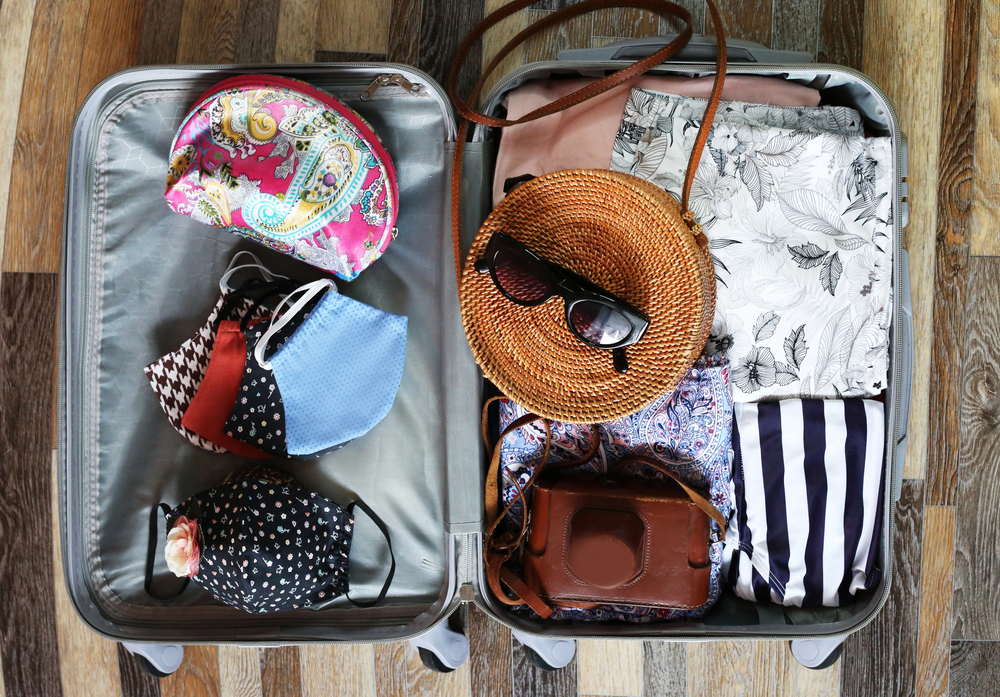
Making and adhering to a packing list for tourism to Singapore is essential. As you may recall, a majority of products are imported meaning that purchasing last-minute items will cost you.
An example of things you need will belots of sunscreen, bug repellent, a hat, sunglasses, napkins/tissues, toiletries (especially deodorant), light and dry-wicking clothing, extra socks, water-resistant and walkable footwear, a fan (electric or manual), an umbrella, a light jacket, one set of long, modest clothing for temple/mosque visits, a reusable water bottle, small backpack...yes, just to name a few.
For a more comprehensive Singapore packing list, please consult my guide here.
Staying Connected
Though public wifi is abundant (but not always legal to connect to), you may want to consider purchasing an e-sim or a portable wifi pod like Solis or Sapphire. For more information on this, click here.
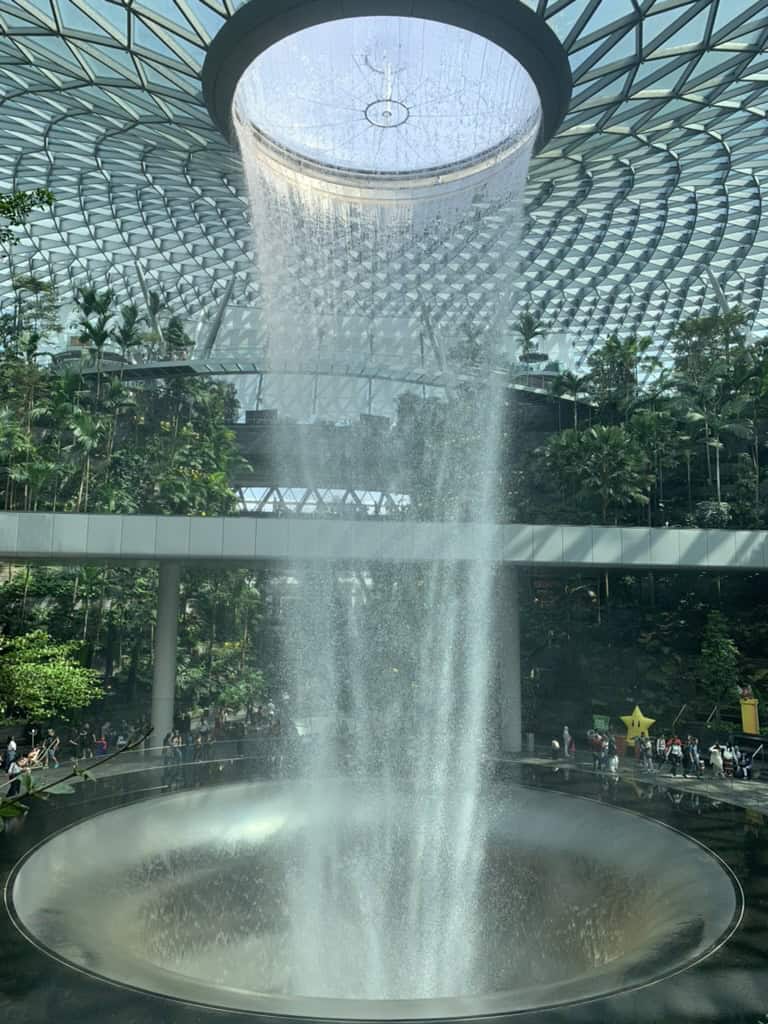
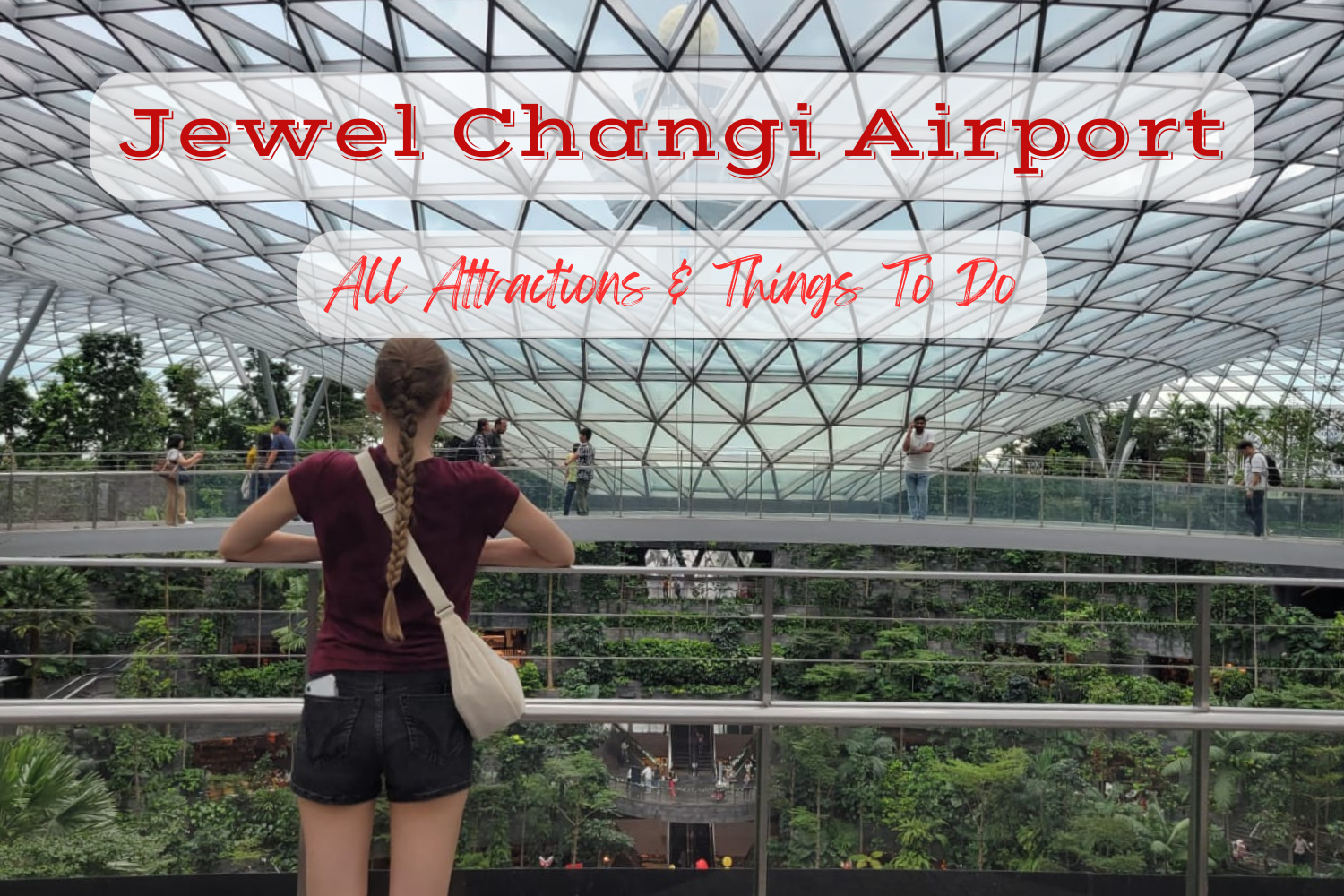
Luggage Storage at Jewel Changi International Airport
So it is the day of your departure, and you want to explore Jewel Changi International Airport...you've already checked out of your accommodations, but what to do with your bulky luggage! There is an easy solution to this oh so common problem to tourists in Singapore.
You can do one of two things, or both.
A. Depending on your airline, you can check your luggage early, some take up to 12 hours early.
B. Store your luggage in a rented locker or at a 24-hour storage service, and retrieve your bags when you're ready.
For more information on this, read more here.
This is great to know if you plan on doing Tourism in Singapore but only it's airport!
Where to Shop/Eat
To ensure you understand the differences, here is a basic breakdown of retail terms in Singapore.
Supermarkets - This is your standard indoor grocery store where you can find food and basic essentials, to include produce; alternatives to this would be a pharmacy or corner store/convenience store. These are on average pricier and are embedded in malls, MRT stations, and other central neighborhood locations. Card or cash are accepted here.
Wet Markets/Street Vendors - These are outdoor stalls where produce, meat, and other food/beverage items are sold. Cash is king here. You will get great deals on local-ish produce and homemade goodies. Street vendors are also commonly found at festivals and MRT stations/neighborhoods, but can be attached to hawker centres. They are embedded into the neighborhood.
Hawker Centres - This is the famous outdoor F&B hub found all over Singapore, with dozens of stalls serving a variety of dishes. Some stalls may serve only lunch/dinner and/or specialize in one or few dishes, while others also serve breakfast and are open late night. Food and drinks are always served at separate stalls. Please be aware of halal and non-halal trays. Cash is most commonly used here, unless you frequent some of the more popular hawker centres such as Lau Pa Sat, Newton, or Maxwell. You can find cheap and delicious eats here.
Food Hall or Food Court - These are basically indoor hawker centers, more polished and air conditioned, and are often located within malls or MRT stations. Cards are accepted here. Food Republic is a common brand of food courts.
Kopitiams - These are the traditional Malay-Singaporean spots where can get Kopi, Teh, and Kaya Toast, mostly located in neighborhoods where cash is king. Heap Seng Leong Coffeeshop is one of most well-known Kopitiams.
Coffee Shops - The term "Coffee Shop" usually refers to the tiny version of a hawker centre that are located on the bottom floor of HDB complexes. It may be one or a few stalls that provide outdoor seating as well as meals. This is a hangout spot for locals; use cash.
Cafes - Just like elsewhere, cafes are the indoor coffeeshops that offer caffeinated beverages, milk tea, boba, and baked goodies.
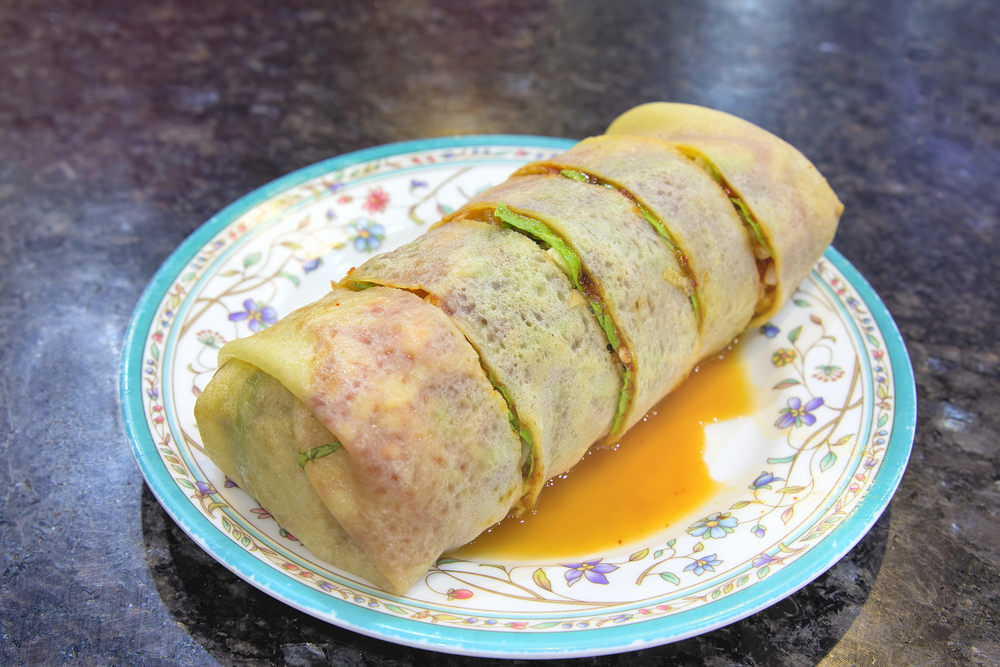
You haven'y done tourism in Singapore correctly if you haven't visited a Kopitiam or Hawker Centre.
Travel Health Insurance
This really only applies to Americans, but if your insurance company does not provide coverage abroad and while doing what may be considered activities out of the ordinary, you may want to consider purchasing a plan through companies such as SafetyWing, Genki or World Nomads, just to name a few.
Please thoroughly research this to ensure you are covered for a variety of issues you could encounter, such as food poisoning, animal bites/stings, traffic incidents, and so on.
Also ensure you adequate prescription medications with your name on it/prescription ready.